The bike lane is a road, not a path
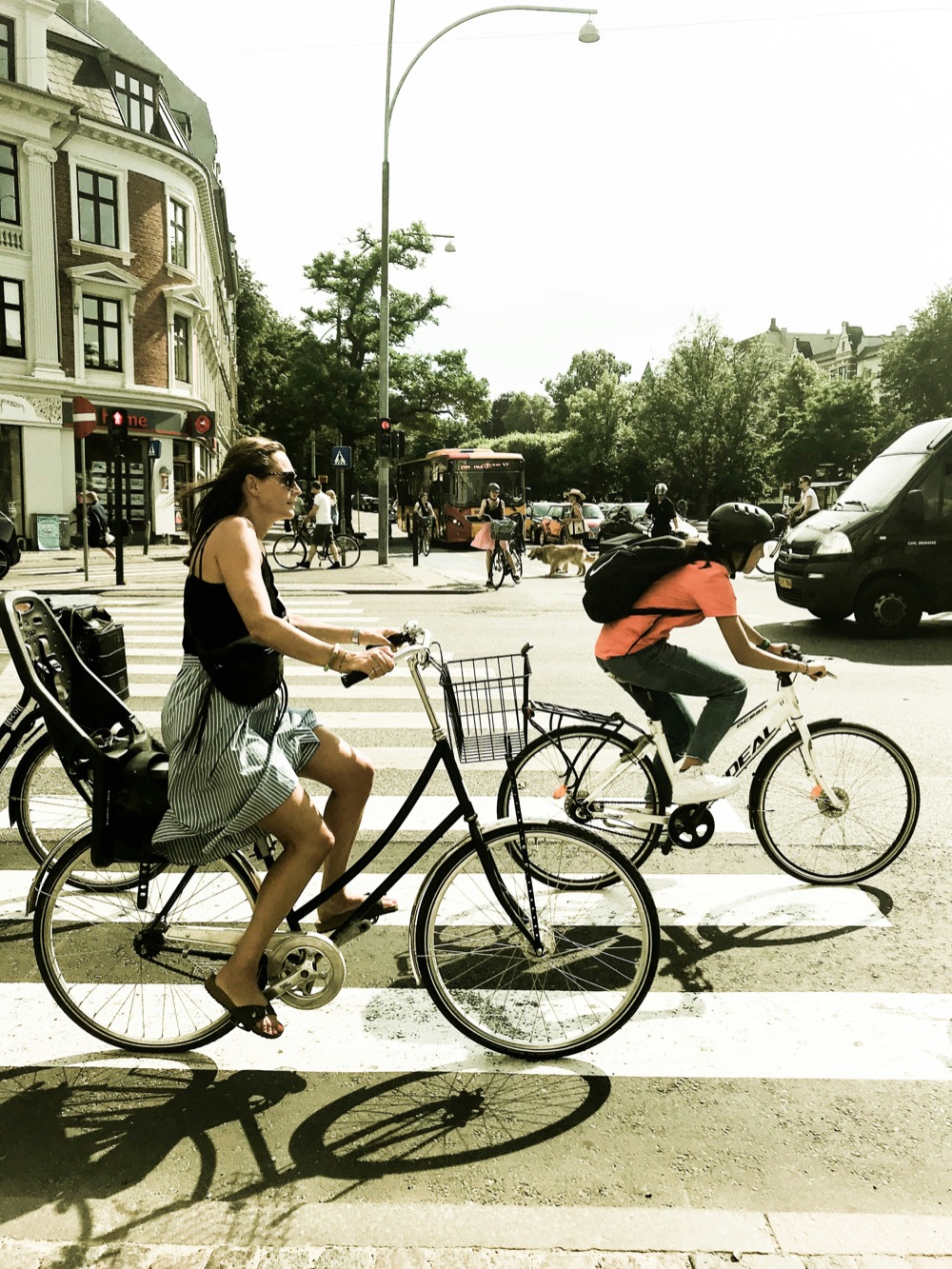
It has its own rules, its own speed and its own rush hour. Ride on the right, overtake on the left, and never stop or stand in it. Treat it like a motorway lane that happens to be narrow.
Your first ride here
Copenhagen is one of the easiest cities on earth to cycle, right after you understand how the lanes work. Here is the short version: the rules locals assume you know, what a bike costs, and where to ride first.
This page is translated, and so is the safety film below. Everything deeper in the guide - the individual rules, all the routes, the rental and repair shop listings - is written in English. If you would rather read it in your own language, your phone or laptop can translate it for you as you browse, at no cost and with no app to install.
The idea
Copenhagen tells visitors to rent a bike. Almost nobody tells them how to ride one here. That gap is the whole reason this site exists.
BikeSafe CPH is a free, independent guide to cycling Copenhagen safely, made by people who ride these lanes every day. It is not run by the city, a rental chain or a tour operator, and there is nothing to sign up for.
The city's cycling culture is genuinely brilliant and genuinely unforgiving of hesitation. Lanes are fast, wide and busy, and everyone in them is commuting rather than sightseeing. A visitor who drifts, stops short or forgets to signal is not in danger from cars so much as from being an unpredictable obstacle at rush hour. None of that is hard to fix. It just has to be explained once, before you unlock the bike rather than after.
So the site is built around that one hour of preparation. The rules and etiquette in plain English, with the ones that carry a fine flagged. A one-page cheat sheet to save to your phone. A short quiz so you find out what you misunderstood while it is still free to be wrong. Then the fun half: scenic routes with maps and timings, where to rent including cargo bikes, repair shops and free public pumps, and places worth stopping to eat.
It also works offline. Install it to your home screen and the rules and your saved routes stay readable without roaming data, which matters more than it sounds like it should when you are stopped at a junction in Nørrebro trying to remember who has right of way.
Read this bit properly
Not the full rulebook. These are the ones that get you shouted at, fined, or worse, in your first twenty minutes.
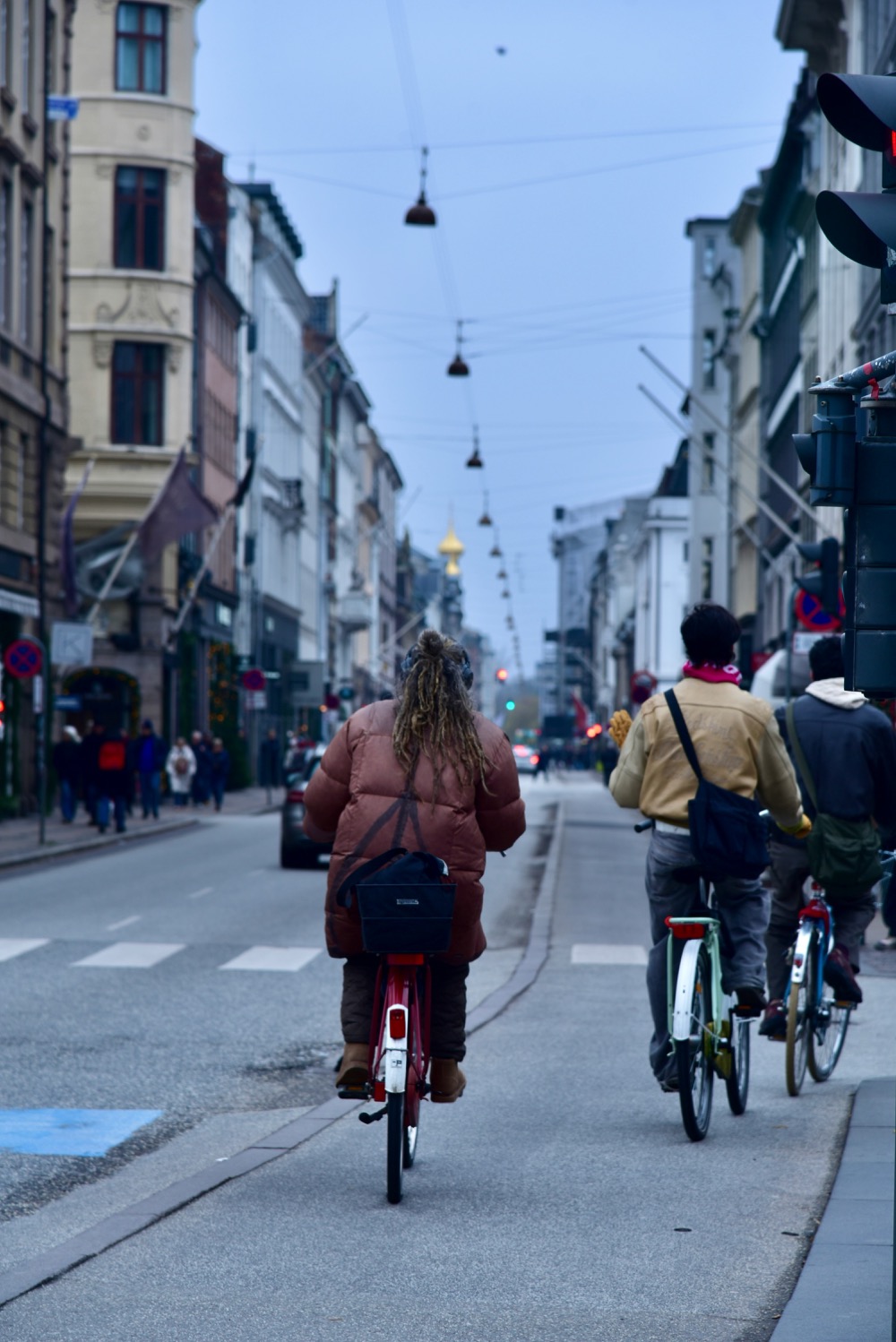
It has its own rules, its own speed and its own rush hour. Ride on the right, overtake on the left, and never stop or stand in it. Treat it like a motorway lane that happens to be narrow.
Arm out for a turn, arm straight up before you stop. Everyone here does it, everyone expects it, and it is the single fastest way to stop being read as a tourist.
White at the front, red at the back, from sunset to sunrise and in poor daylight. Danish autumn afternoons count. Check your rental has both before you leave the shop.
At a big junction you do not cut across traffic. You ride straight over, stop at the far right corner and turn your bike 90 degrees. Then you go again as soon as the way ahead is clear: you are already past the stop line, so you are not waiting for the other direction to turn green. It feels slow, and it is why nobody dies doing it.
Checking a map, taking a photo, waiting for a friend: step off the lane onto the pavement first. A cyclist braking in the lane is how most tourist collisions here start.
Cars turning right cross the bike lane, and buses pull in across it. Green means go, it does not mean you have been seen. Glance over your left shoulder before every junction.
Current fines and legal detail live on the rules pages, where we date-check them. Guidance, not legal advice.
Rather watch than read?
One short animation covers the bicycle rules that keep you safe in Copenhagen traffic. Pick your flag for subtitles.
Spoken English by default. Every version is the same 93-second film, so pick whichever language you read fastest.
Big thanks to Copenhagen Bicycles The videos on this page were created by Copenhagen Bicycles, who kindly let us share them. Go and say hello at copenhagenbicycles.dk.
A plan
In order. It is about an hour, and it is the difference between enduring the bike lanes and enjoying them.
Every rule that matters, on one page. Ten minutes, and save it to your phone before you set off.
02 →Questions on the situations visitors get wrong. You will get at least one wrong, and that is the point.
03 →Shops, app bikes and cargo bikes, with what each actually costs and what deposit to expect.
04 →Start with a quiet, mostly separated ride rather than a rush-hour artery. Each route has a map and a realistic timing.
The practical stuff
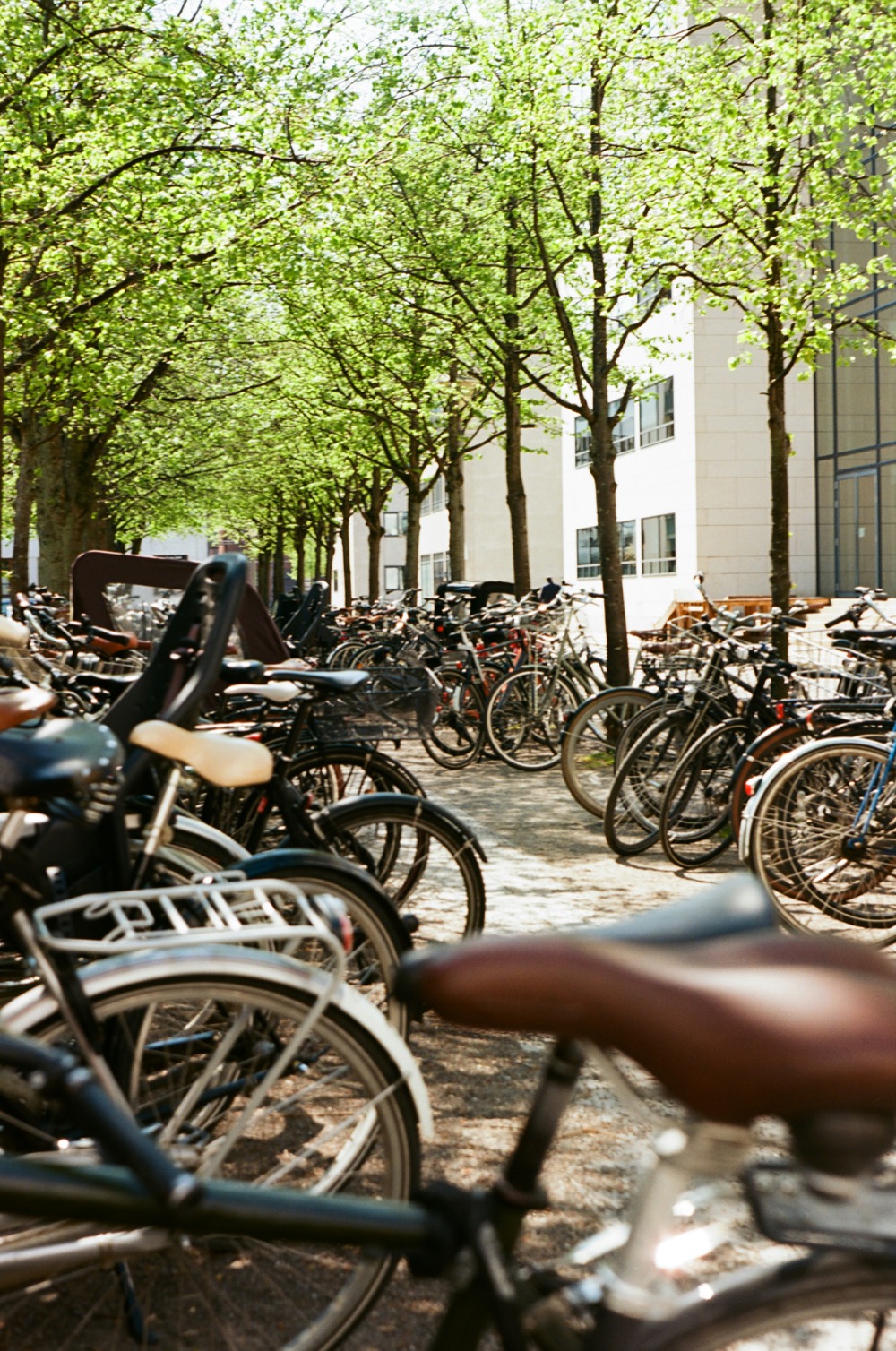
A day from a shop costs less than two coffees and a museum ticket, and gets cheaper per day the longer you take it. Check three things before you ride away: that both lights work, that you have been shown how the built-in rear wheel lock works, and what you are liable for if the bike is stolen. Cargo bikes are worth it with young children, and worth a practice lap of a quiet street first, because they steer nothing like a normal bike. Everything we know about the shops is on the rental page.
Bike theft is the one crime this city genuinely has. Use the racks, use the wheel lock, and add a chain through the frame to something fixed if you are leaving it for more than a few minutes. Do not leave a bike overnight outside the main stations. If something breaks instead of disappearing, the repair shop page lists the workshops and the free public pumps dotted around town.
Rain here is frequent rather than severe, and locals simply keep going. The genuinely slippery surfaces are wet cobblestones, painted road markings and metal expansion joints on the bridges, so brake earlier than you think you need to. In autumn and winter it gets dark early, which makes working lights less of a formality and more of the single most important thing on your bike.
Do not ring your bell to overtake. The bell is a warning device, meant only for averting danger, and Danes no more ring to pass than they would honk to pass in a car. Keep right if you are slow. Do not ride two abreast in a busy lane, however good the conversation is. On Nørrebrogade the traffic lights are timed for cyclists holding about 20 km/h, so if you find yourself sailing through greens, you have found the green wave and should not speed up. More of this in practical tips.
Before you ask
Ten minutes now
Copenhagen is a much better place from a saddle than from a tour bus. It just asks you to know the rules first.
BikeSafe CPH is independent and not affiliated with the City of Copenhagen. Paid placements elsewhere on the site always carry a "Partner" label, as the Danish Marketing Practices Act requires. More on how we choose recommendations, or tell us if something here is out of date.