Good to know
Safe cycling in Copenhagen: your questions answered
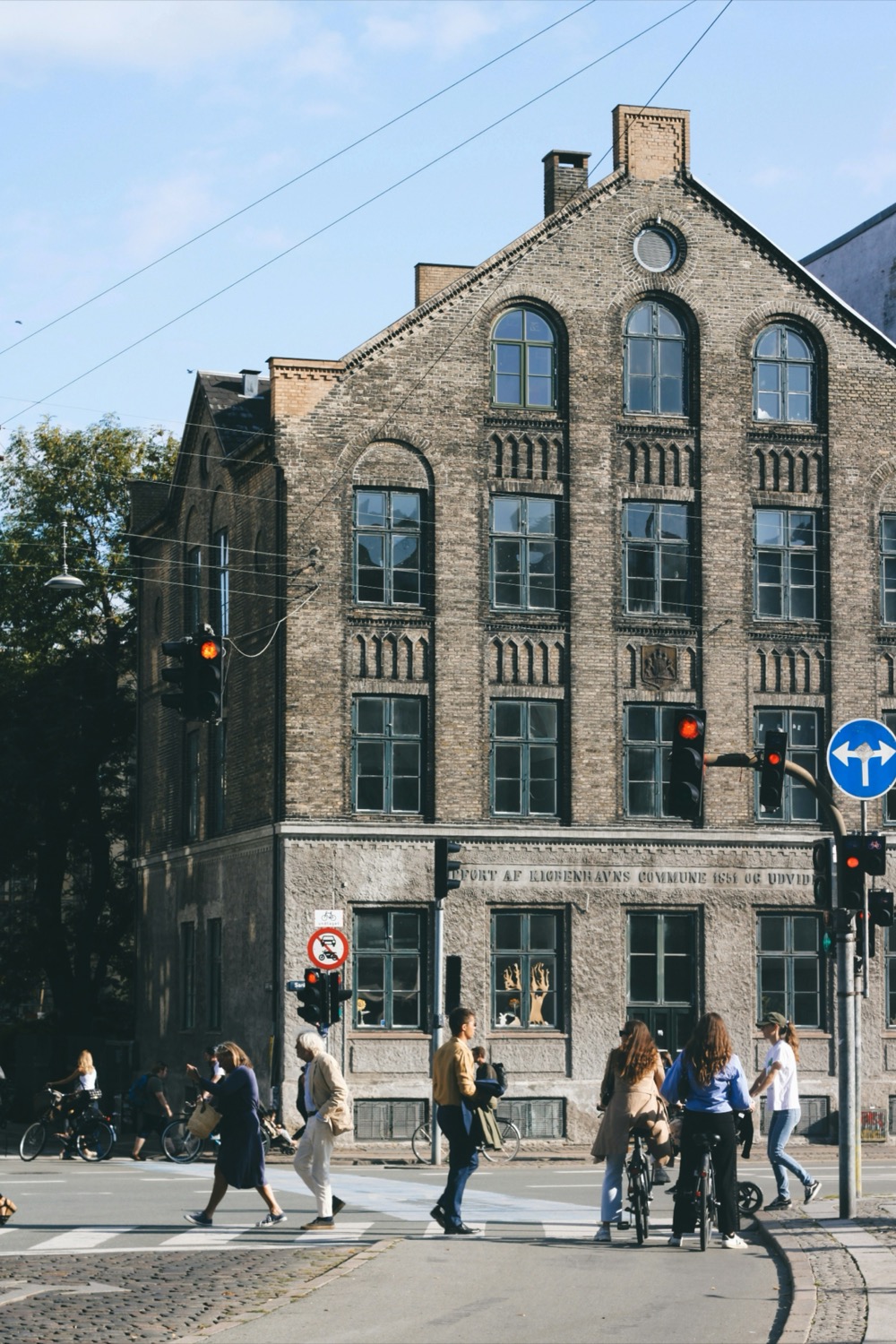
Is Copenhagen safe for cycling as a tourist?
Yes - Copenhagen is one of the safest cities in the world to cycle. Nearly 400 km of cycle tracks are physically separated from car traffic, drivers are used to bikes, and most tourist routes run on car-free paths. The main things to learn are the local rules: keep right, use hand signals, and make the "Copenhagen left" at intersections. Read our cycling guide before your first ride and you will be safer than in almost any other city.
How much does it cost to rent a bike in Copenhagen?
Bike rental in Copenhagen costs from about 65-200 kr per day for a standard city bike, depending on the shop and location. E-bikes run around 350-600 kr/day and electric cargo bikes 600-800 kr/day. For short hops, share bikes like Donkey Republic start at about 12 kr/hour with a 24-hour deal around 99 kr. Staying a month or more? A subscription bike (such as Swapfiets, from 199 kr/month including repairs) is usually the best value.
Do I need a helmet to ride a bike in Copenhagen?
No - there is no bicycle helmet law in Denmark for adults or children, and many locals ride without one. Helmets are still recommended, especially if you are new to city cycling, and nearly every rental shop offers them for around 50 kr per day. If you are riding with kids, put helmets on them even though the law does not require it.
What are the most important bike rules in Copenhagen?
The essentials: ride in the bike lane with the traffic (never on the sidewalk), use hand signals (arm out to turn, hand up to stop), make the two-stage "Copenhagen left" instead of turning left like a car, use lights after dark, and never hold your phone while riding. One person per bike, and stop for bus passengers crossing the bike lane. Our 20-section cycling guide covers every rule - the legal ones and the cultural ones.
What fines can cyclists get in Copenhagen?
Danish police do fine cyclists, tourists included. Typical fines: around 700 kr for missing lights after dark or riding on the sidewalk, and around 1,000 kr for running a red light, holding a phone, or riding against the traffic. Cycling while clearly drunk can cost around 1,500 kr. The good news: the rules are simple, and following them is exactly what makes Copenhagen cycling feel so safe.
How do I turn left on a bike in Copenhagen?
Use the "Copenhagen left" (a box turn): ride straight across the intersection, stop at the far corner, turn your bike to face the new direction, and ride on as soon as the way is clear. Because you are already past the stop line, you do not have to wait for the new direction to get a green light. Turning left diagonally across an intersection like a car is illegal for cyclists in Denmark - and dangerous. It feels slow the first time; by day two it is automatic.
Can I take my bike on the metro or train in Copenhagen?
Yes. Bikes travel free on the S-trains (S-tog) in dedicated bike carriages - look for the cycle symbol. On the Metro you need a separate bicycle ticket, and bikes are banned during weekday rush hours (roughly 7-9 and 15:30-17:30). The harbour buses (yellow ferries) take bikes for free, which is a scenic shortcut across the water. Combining bike and S-train is the easiest way to reach trips like Dragør or the northern coast.
Where can I park my bike in Copenhagen?
Almost anywhere there is a bike rack - they are everywhere, and parking is free. The rules: do not block sidewalks, doorways, metro entrances or other bikes, or your bike may be moved. Lock the rear wheel with the built-in wheel lock (standard on rentals) and note where you parked; near stations, thousands of bikes look alike. For share bikes like Donkey Republic, park at a designated hub rack to end the rental.
Do people really cycle in Copenhagen in the rain and winter?
Absolutely - around three quarters of Copenhagen cyclists keep riding year-round. Bike lanes are swept, plowed and salted before the car lanes in winter. For rain, do what locals do: fenders (standard on Danish bikes), a rain jacket, and just ride. If the weather truly turns, every bike can go on the S-train for free and share bikes can be dropped at the nearest hub.
How long does it take to bike across Copenhagen?
About 30-40 minutes from one side of the central city to the other - Copenhagen is compact and almost completely flat. Most sights are within 15 minutes of each other by bike, which is faster than driving or public transport for most trips. Our routes run from an easy 5 km city loop to a 20 km coastal day ride to Dragør, so you can match the distance to your legs.
The essentials
The 3 rules that keep you safe in Copenhagen
However you got here, start with these. They are the rules visitors get wrong most often, and the ones that carry a fine.
Ride in the bike lane - always
Where there is a cycle track (the raised lane between the pavement and the road), you must use it - riding on the sidewa...
Lights on after dark
From dusk to dawn you must have a white light at the front and a red light at the rear, visible from 300 metres. Steady...
Keep your phone in your pocket
Using a handheld phone while cycling is illegal in Denmark and fined around 1,000 kr. That includes texting at red light...